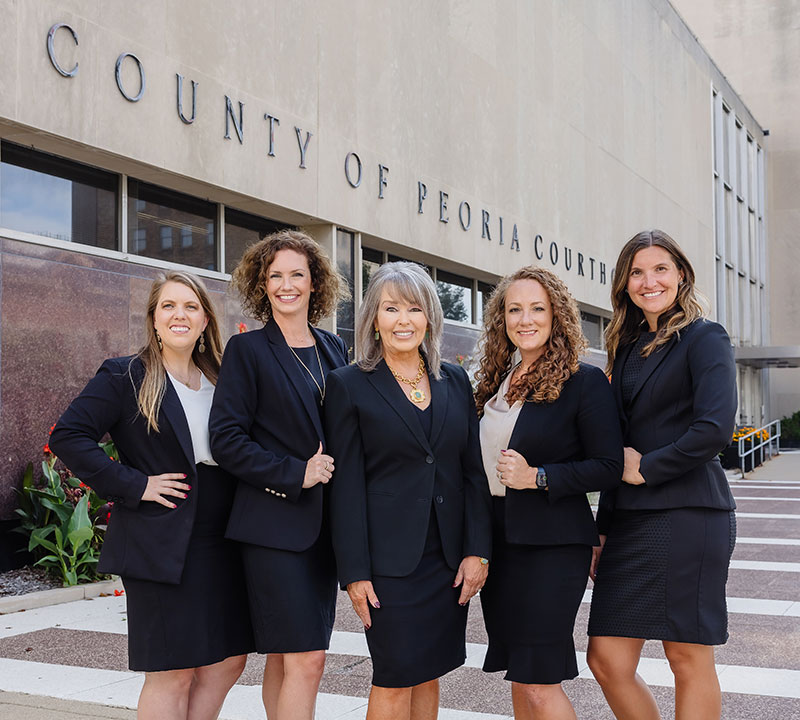

Regardless of whether you were anticipating a divorce, once you are served divorce papers, you must not hesitate in reacting. Even though you may want to ignore the situation, in the long term, this will not be beneficial emotionally or legally. If you are unsure of how to handle this, follow along to discover how a proficient Peoria divorce lawyer of Butler, Giraudo & Meister, P.C., can support you.
What is the official way to be served divorce papers in Illinois?
In the state of Illinois, your spouse will provide you with notice of their request for divorce through the Service of Process. Through this, they will serve you with a Summons and a copy of the document that was filed. The Summons states that you must file a written Appearance and an Answer in the Circuit Clerk’s Office within a certain timeframe. Also, this document outlines what your spouse wants to receive in the settlement agreement, such as property, spousal support, child support, and child custody. Later on, the Illinois court will use this document to hear and determine your case.
Usually, a sheriff or a private process server will serve you these papers at your residence or place of employment. However, if you are actively attempting to avoid service, the Illinois court may grant the possibility to serve you via alternative means. For example, such means can be completed through the mail.
What steps should I take after being served divorce papers?
After being served divorce papers, it is required that you respond to the court within a certain period. You may have to serve your spouse with a copy of your response as well. Specifically, in the state of Illinois, you have 30 days from the time you were initially served. Failure to do so will lead the Illinois court to assume that you do not contest the divorce and that you agree to all of the terms written in the summons. Ultimately, this will grant your spouse the divorce, and everything else that they requested in the settlement, by default.
Overall, you must know your options when it comes to divorce proceedings. For example, you and your spouse can decide to call off your divorce, take it to court, or settle an agreement through different types of dispute resolutions, such as mediation, collaboration, or arbitration. To assist you in choosing what route is in your best interest, do not hesitate in consulting with a talented Peoria County family law attorney today.
Contact Our Experienced Illinois Firm
Contact Butler, Giraudo & Meister, P.C., today for effective and compassionate legal counsel for the following legal matters: divorce, alimony, division of marital assets, child custody, and child support.